
The Top 5 Signs Your Tree Needs to Be Removed
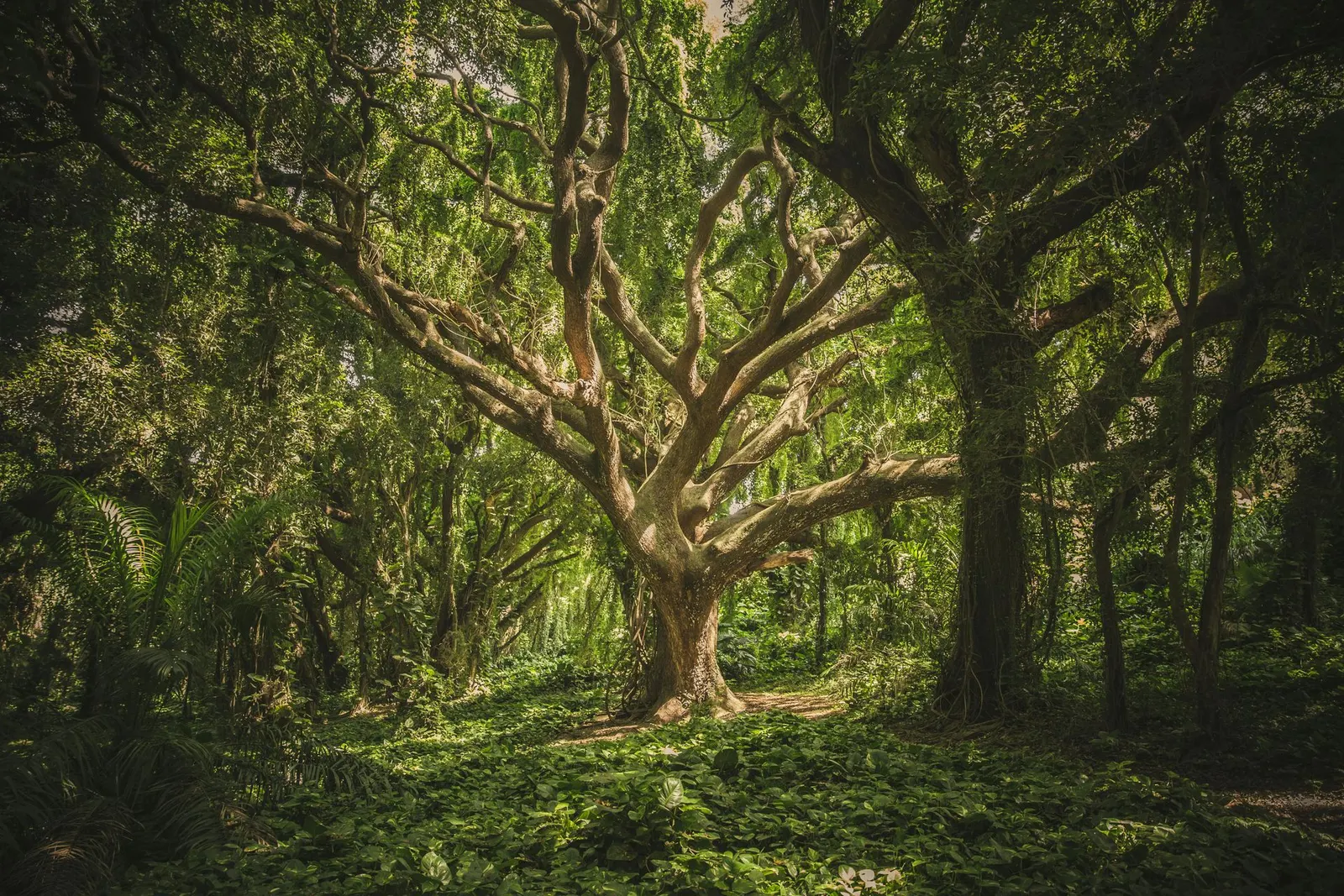
Trees are amazing and an integral part of our landscapes. They are beneficial to our environment, provide shade and beauty, and are home to countless frogs, insects, squirrels and other forms of wildlife. But a tree that is dying, decaying or top-heavy can be a hazard for your property or your family members and neighbours.
The tragedy of Nashville’s devastating storms in March 2020 was amplified by the thousands and thousands of tree casualties and by the massive hanging branches that were torn off and left behind by the intense winds.
Unfortunately, those homeowners who lost their trees knew, or should have known, to prune before those winds wrought havoc, otherwise loss of limbs might not have occurred. The following article explains the top five reasons that a tree should be removed.
1. Dead or Dying Branches
Perhaps the most obvious symptom of trouble is the presence of dead or dying branches. Dead branches will be stripped of their foliage, will feel dry and brittle to the touch, and will often be grey or brown in colour. While trees are natural shedders of branches, a build-up of dead branches, especially in the lower portions, or widespread dieback, are a sure sign of a serious
Why It Matters : Dead branches spoil the view and pose a risk in terms of falling on a person or house. They are much more likely to break off and fall than a healthy branch. A tree with widespread dieback can also be a sign of serious disease or pest problems that could spread to nearby trees. Why It Matters: Dead, broken branches also look unappealing, and they are more likely to break off and fall.
What to Do : If there are lots of dead, dying branches, do have an arborist check it out. They may tell you to prune to death, or prune to live, or that you should just cut it down.
2. Leaning Trunk
A healthy tree trunk stands upright, so any significant lean is a warning flag of possible structural issues. Mature trees often naturally lean but a sudden or sharp lean can mean that the tree has a compromised root system, or it is otherwise unstable.
Why It Matters : A leaning tree is a cutting risk, especially when it leans toward buildings, paths or power lines. The risk that the tree will fall increases especially when it is windy or it is very wet.
What to Do : Assess the amount of lean If the lean is profound or getting worse, contact a tree service professional immediately. They can check ascertain whether the tree can be secured, or if it should be taken out.
3. Fungal Growth and Decay
One sign of internal decay in trees can be the growth of a fungus on, or at the base of, the tree. Mushrooms growing out of the top or bottom of the stump, shelf fungus on the trunk or other crotch in the trunk, is almost certain indication that within the wood of the tree, the wood is in decay. When this decay contributes to the overall decline in the health of a tree, it can be seen as a factor in the instability of the tree.
Why It Matters : Fungal root rot decreases the stability of a tree which often results in failure. The tree trunk also signifies overall poor health, and may be beyond resuscitation.
What to Do : If you notice fungal growth, have a certified arborist check out the tree for you to determine how deeply the tree has been colonised by fungi, and whether it can be treated and saved or is sounds best to pull it out for disposal.
4. Cracks and Cavities
5. Pests and Diseases
Healthy trees are prone to several natural pests and diseases that can impact tree vitality and structural stability. Signs of pest or disease infestation can include wilting and discoloured leaves or limbs, abnormal growths, or rising insect populations near the tree. Common tree problems can include aphid infestation, bark beetles, and fungal infections.
Why It Matters : The tree will become compromised, first by the pest or disease, and later by weaknesses and decay that often follow. In extreme cases, the tree needs to come down. Bottom line: Pest and disease damage will train you to look twice: look for problems in the tree’s structure or its roots, problems that are usually harder to see.
What to Do : If you spot any pest or disease issues, consult with an arborist to diagnose and determine the appropriate treatment or removal of the tree if repair is no longer possible.
Why Professional Assessment is Crucial
Pinpointing these signs is one thing, but it is another to know what to do. A certified arborist is a trained eye that will spot the signs of a tree that is unhealthy and then recommend what to do.
They use professional tools and methods to analyze the tree’s state and ensure that any removal is done safely and effectively.
Conclusion
Watching over your trees is necessary for the safety and wellness of your property. By being vigilant and aware of the signs that a tree may need to be removed, you can take proactive steps to prevent potential hazards.
Tree removal is a complex task that requires knowledge and equipment. If you think that your tree could be a hazard, don’t hesitate to contact a trusted tree service company for an honest evaluation.
At Tree Service Elgin IL, we are dedicated to protecting the health and safety of you and your family. Contact us today for a free consultation and let our trained team help you take care of your tree removal needs professionally.